
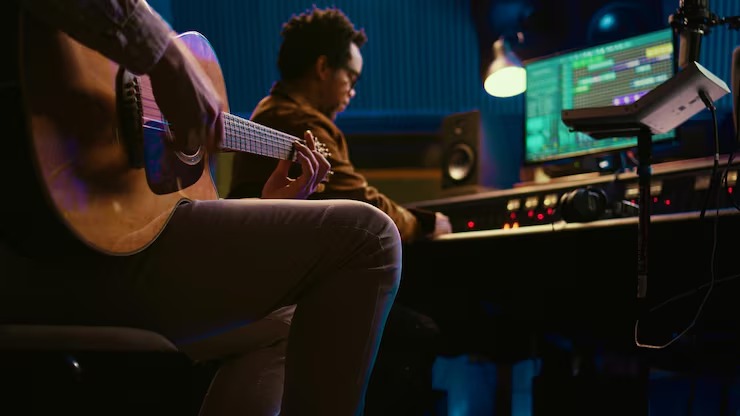
The Role of Hands-On Music Training in Developing Future Music Professionals
The music industry in Nigeria and across Africa is expanding rapidly. From Afrobeats and gospel music to live performances, music production, digital streaming, and audio engineering, the entertainment sector is creating enormous opportunities for young creatives and aspiring professionals.
However, while many people possess natural musical talent, not everyone understands how to transform that talent into a successful and sustainable career. In today’s highly competitive entertainment industry, theoretical knowledge alone is no longer enough. Future music professionals must gain practical experience, technical confidence, industry exposure, and real-world skills that prepare them for professional opportunities.
This is why understanding the role of hands-on music training in developing future music professionals is essential for singers, producers, instrumentalists, worship leaders, songwriters, sound engineers, and aspiring entertainment entrepreneurs.
In this comprehensive guide, we will explore why practical music education is so important and how CLACACHI MUSIC, a leading music integration company in Nigeria with its operational hub in Abuja, empowers young talents through hands-on training, music certifications, publishing, branding, and innovative music development solutions.
What Is Hands-On Music Training?
Hands-on music training refers to practical, experience-based learning where students actively participate in music activities rather than learning only through theory.
Examples of Hands-On Music Training Include:
- Instrument practice sessions
- Vocal coaching exercises
- Live rehearsals
- Studio recording sessions
- Stage performance training
- Music production practice
- Sound engineering demonstrations
This type of training allows students to develop real-world skills that prepare them for professional careers.
Why Hands-On Training Matters in Today’s Music Industry
The modern entertainment industry is highly practical and performance-driven.
Musicians today are expected to:
- Perform confidently
- Understand studio environments
- Use professional equipment
- Collaborate effectively
- Produce quality music
Without practical experience, many talented artists struggle to compete professionally.
The Problem With Theory-Only Learning
Many students understand music concepts academically but struggle to:
- Perform publicly
- Operate studio equipment
- Apply music theory practically
- Handle professional performance pressure
Hands-on training bridges the gap between theory and real-world application.
1. Hands-On Training Builds Technical Confidence
One of the biggest advantages of practical music education is technical development.
Important Technical Skills Students Develop
Hands-on training improves:
- Instrument mastery
- Vocal control
- Rhythm accuracy
- Sound coordination
- Performance timing
Why Technical Skills Matter
Technical excellence improves:
- Live performances
- Studio recordings
- Audience engagement
- Professional credibility
Artists with strong practical skills often stand out professionally.
At CLACACHI MUSIC, students receive hands-on practical instruction designed to meet modern entertainment industry standards.
2. Practical Learning Improves Stage Performance
Many musicians struggle with confidence during live performances.
Common Stage Challenges Include:
- Nervousness
- Poor audience interaction
- Weak presentation skills
- Fear of mistakes
How Hands-On Training Helps
Regular performance exercises help students:
- Build confidence
- Improve stage presence
- Develop audience communication skills
Practical exposure helps musicians become comfortable performing publicly.
3. Hands-On Training Supports Better Music Production Skills
Music production has become one of the most important areas in entertainment.
Skills Students Learn Through Practical Production Training
Students gain experience in:
- Recording techniques
- Audio mixing
- Sound engineering
- Music software operation
- Studio workflow
Why Production Knowledge Matters
Production skills help musicians:
- Create better recordings
- Improve streaming quality
- Communicate effectively with engineers
Artists who understand production often build stronger careers in the digital music industry.
4. Practical Music Training Encourages Creativity
Creativity grows through experimentation and exposure.
Hands-On Learning Helps Students:
- Explore different genres
- Experiment with sounds
- Develop songwriting skills
- Improve improvisation
Why Creativity Matters
Creative musicians often:
- Build unique artistic identities
- Adapt to industry trends
- Produce original music
Practical learning environments encourage innovation while maintaining technical discipline.
5. Hands-On Training Builds Professional Discipline
Professional success requires discipline and consistency.
Important Habits Students Learn
Practical training encourages:
- Time management
- Consistent practice
- Team collaboration
- Professional preparation
Why Discipline Matters
Disciplined musicians often:
- Improve faster
- Deliver better performances
- Build sustainable careers
Consistency remains one of the biggest factors behind long-term entertainment success.
6. Real-World Experience Improves Career Readiness
Future music professionals need industry exposure.
Why Real-World Experience Is Important
Hands-on training prepares students for:
- Studio sessions
- Live events
- Church performances
- Concert rehearsals
- Recording projects
Benefits of Career Preparation
Prepared musicians often:
- Adapt faster professionally
- Handle pressure effectively
- Work better in teams
Professional environments become less intimidating through practical experience.
7. Hands-On Training Improves Music Theory Application
Music theory becomes more meaningful when applied practically.
Students Learn How To:
- Use chord progressions
- Interpret rhythms
- Understand arrangements
- Apply scales effectively
Why Practical Theory Matters
Students understand concepts faster when they:
- Hear them
- Play them
- Practice them consistently
Hands-on learning strengthens both theory and performance quality.
8. Music Certifications Become Easier With Practical Training
Professional music examinations often require both theoretical and practical competence.
Practical Preparation Helps Students:
- Perform confidently during exams
- Improve technical accuracy
- Understand examination expectations
Benefits of Music Certifications
Certified musicians often:
- Gain professional credibility
- Access international opportunities
- Improve employability
CLACACHI MUSIC supports students preparing for music certifications and examinations through structured practical mentorship and training programs.
9. Hands-On Training Helps Students Understand the Music Business
Many musicians fail because they only focus on performance without understanding the business side of entertainment.
Important Industry Areas Students Learn
Practical music education introduces students to:
- Music publishing
- Copyright protection
- Royalty systems
- Digital distribution
- Branding and promotion
Why Business Knowledge Matters
Understanding music business systems helps artists:
- Monetize their music
- Protect their rights
- Build sustainable careers
Modern entertainment success requires both creativity and business awareness.
10. Access to Professional Music Equipment
Quality equipment is essential for professional development.
Important Music Equipment Includes:
- Studio microphones
- MIDI keyboards
- Audio interfaces
- Studio monitors
- Recording software
- Musical instruments
- Performance gadgets
As a trusted music integration company in Nigeria, CLACACHI MUSIC supplies quality music instruments and gadgets for artists, schools, churches, studios, and entertainment professionals.
Their technical engineering expertise ensures musicians receive reliable and industry-standard equipment solutions.
11. Networking Opportunities Support Career Growth
Hands-on learning environments expose students to:
- Producers
- Instrumentalists
- Vocalists
- Industry professionals
- Mentors
Why Networking Matters
Strong relationships can lead to:
- Collaborations
- Career opportunities
- Performance invitations
- Professional mentorship
Networking remains one of the strongest benefits of practical music education.
12. Youth Empowerment Through Music Education
Music education creates opportunities for young people.
Benefits of Youth Empowerment Include:
- Skill development
- Creative expression
- Career opportunities
- Positive community impact
Professional music training helps young talents transform passion into productive careers.
The Abuja operational hub of CLACACHI MUSIC serves as a center for creativity, practical learning, and youth empowerment.
Challenges Students Face Without Hands-On Training
Students without practical exposure often struggle with:
- Weak performance confidence
- Poor studio understanding
- Limited technical ability
- Weak industry knowledge
As a result, many talented individuals fail to maximize their potential professionally.
Case Study: Empowering Future Music Professionals
Over the years, CLACACHI MUSIC has empowered aspiring musicians, churches, schools, and entertainment professionals through:
- Hands-on practical music training
- Music certification preparation
- Publishing and marketing support
- Music branding solutions
- Supply of quality music instruments and gadgets
Its commitment to youth empowerment continues to shape the future of Nigeria’s entertainment industry.
Why CLACACHI MUSIC Stands Out in Nigeria
CLACACHI MUSIC stands out as a leading music integration company in Nigeria through:
- Practical music education
- Music certifications and exams
- Music publishing and marketing expertise
- Sales and supply of quality music instruments and gadgets
With its operational hub in Abuja, the company continues to empower future music professionals with innovative entertainment solutions.
The Future of Practical Music Education in Africa
Africa’s entertainment industry continues evolving rapidly.
Emerging Trends Include:
- Digital music production
- Online practical learning
- AI-assisted music education
- Virtual collaborations
- Global streaming opportunities
Musicians who invest in practical education today will be better prepared for future industry demands.
Conclusion
Understanding the role of hands-on music training in developing future music professionals is essential for anyone serious about building a successful entertainment career.
Practical training improves technical skills, confidence, creativity, discipline, production knowledge, business understanding, and professional readiness. In today’s competitive industry, musicians who combine talent with hands-on education gain stronger opportunities for long-term success.
Talent may create potential, but practical training transforms potential into professional excellence.
CLACACHI MUSIC continues to empower musicians through hands-on training, certification preparation, publishing support, branding solutions, and quality music equipment services.
Visit CLACACHI MUSIC today to:
- Enroll in professional music training programs
- Apply for music certifications and exams
- Access quality music instruments and gadgets
- Get expert publishing and marketing support
- Build a successful music career
Contact the team now and take the next step toward becoming a professional musician in Nigeria’s growing entertainment industry.